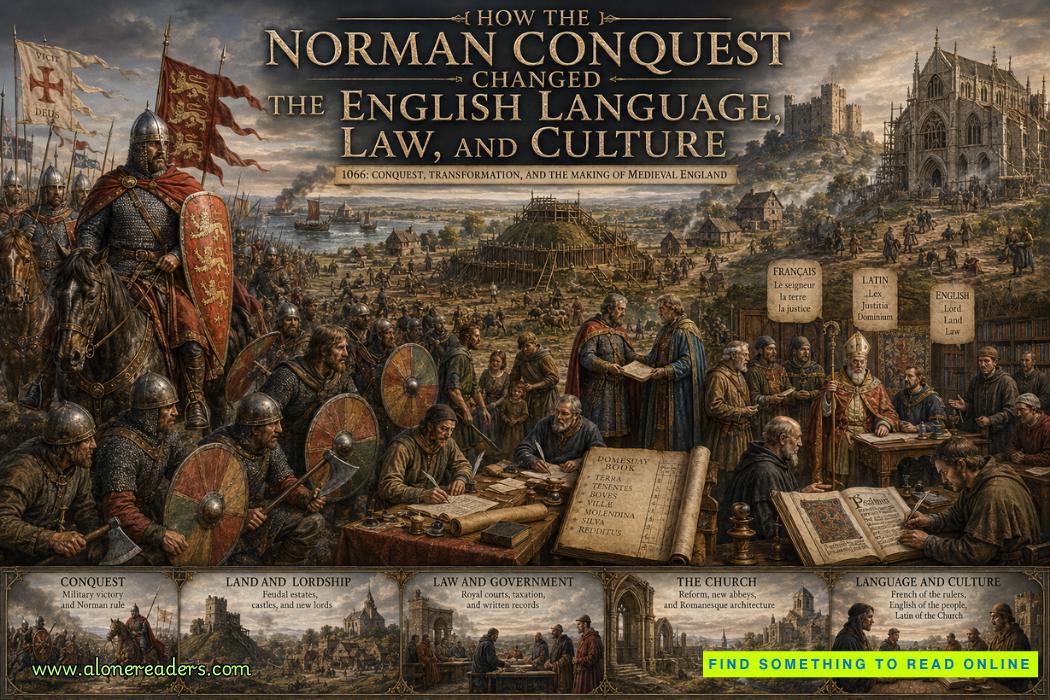
On the morning after the Battle of Hastings, England did not suddenly begin speaking French, abandon Anglo-Saxon law, or become culturally Norman. The battlefield victory of 14 October 1066 was decisive, but the transformation that followed was slower, more complicated, and ultimately more profound than the replacement of one king by another. When William the Conqueror secured the English crown, he brought with him a new aristocratic elite, continental forms of lordship, French-speaking administrators and warriors, reforming churchmen, castle builders, and political assumptions shaped by Normandy. They entered, however, a kingdom possessing sophisticated institutions of its own. The England that emerged was therefore neither simply Norman nor simply Anglo-Saxon. It was a new society created through conquest, coercion, adaptation, and cultural fusion.
Understanding that transformation is essential to understanding why 1066 became such a powerful dividing line in English history. The Norman Conquest did not erase Anglo-Saxon England. Much of its machinery of government survived because it was too useful to destroy. Yet control of that machinery passed into different hands, while the language, landholding structure, church hierarchy, military landscape, architecture, and culture of the ruling classes changed dramatically.
Before the conquest, Anglo-Saxon England was already one of the most centralized kingdoms in western Europe. It was divided into shires and hundreds, possessed royal officials known as sheriffs, maintained systems of taxation and coinage, and had traditions of written royal legislation extending back centuries. Kings governed with the assistance of the witan, an assembly of leading ecclesiastical and secular magnates. Local courts dealt with disputes and obligations, while royal authority penetrated society more effectively than in many contemporary kingdoms.
England was also connected deeply to Scandinavia. Viking settlement had transformed parts of the country, particularly the Danelaw, while Danish kings, most notably Cnut, had ruled England during the eleventh century. Old English itself contained numerous Scandinavian borrowings. The country that William invaded was therefore already culturally mixed.
The immediate political crisis originated in the reign of Edward the Confessor, who died childless on 5 January 1066. Edward had spent much of his youth in Normandy, and Norman connections became increasingly visible at his court. Whether he formally promised the English crown to William, Duke of Normandy, remains disputed. Norman accounts maintained that he had. English political practice, however, did not treat the crown as private property that a king could simply bequeath without regard to aristocratic acceptance.
The Succession Crisis consequently involved competing claims. Harold Godwinson, head of the enormously powerful House of Godwin, was chosen king and crowned on 6 January 1066. William claimed Harold had previously sworn to support his succession. Harald Hardrada of Norway advanced another claim, supported by Harold's estranged brother Tostig Godwinson.
The resulting campaigns demonstrated how military events shaped the political settlement that followed. Hardrada and Tostig invaded northern England and defeated the earls Edwin and Morcar at Fulford on 20 September 1066. Harold responded with an extraordinary forced march north and destroyed the Norwegian army at Stamford Bridge on 25 September. Hardrada and Tostig were killed.
Meanwhile, William had assembled an invasion force across the Channel. His army combined infantry, archers, and the Norman cavalry that gave his forces tactical flexibility. William also obtained papal support, traditionally associated with the Papal Banner, giving his enterprise a religious legitimacy that Norman writers emphasized strongly.
After favourable winds allowed his fleet to cross, William landed at Pevensey on 28 September and established himself around Hastings. Harold then marched south. At the Battle of Hastings his army fought largely on foot, with professional huscarls and elements of the fyrd forming a defensive shield wall along the ridge later occupied by Battle Abbey. Norman forces repeatedly attacked with archers, infantry, and mounted knights. The precise role of feigned retreats remains debated, but portions of the English line were drawn from their advantageous position during the fighting. Harold was eventually killed, though the famous Bayeux Tapestry scene does not establish beyond doubt that he died from an arrow in the eye.
William's victory did not immediately make him master of England. He moved through southeastern England, secured strategic positions, and eventually received the submission of leading English figures. He was crowned king at Westminster Abbey on Christmas Day 1066.
The significance of what followed lay partly in William's decision to present himself not merely as a foreign conqueror but as Edward's legitimate successor. This mattered enormously for English law and administration. Rather than abolishing the kingdom's institutions, William appropriated them.
At first, some English nobles retained their lands. Rebellions and resistance, however, encouraged increasingly extensive confiscation. By the later years of William's reign, the upper ranks of the secular aristocracy had been transformed. Estates once held by Anglo-Saxon earls and thegns were distributed among Norman, Breton, Flemish, and other continental followers. Aristocratic replacement was one of the most dramatic consequences of the conquest.
Land remained theoretically held from the king, while powerful tenants-in-chief controlled estates scattered across different regions. Historians traditionally described the resulting order simply as feudalism, although modern scholarship is more cautious. England did not suddenly acquire a perfectly organized "feudal system" in 1066. Nevertheless, Norman rule strengthened relationships between landholding, lordship, military service, and royal authority.
Castles made that authority physically visible. Motte-and-bailey castles appeared rapidly at strategic locations, towns, river crossings, and rebellious regions. They were not merely military fortifications. A castle announced who possessed power. At places such as York, Lincoln, Norwich, Warwick, and London, Norman fortifications helped relatively small occupying elites dominate much larger populations. Over time, timber structures were increasingly supplemented or replaced by monumental stone keeps.
Resistance demonstrated how violent this process could become. Rebellions occurred repeatedly, particularly in northern England. William's response to the uprisings of 1069–1070, traditionally called the Harrying of the North, involved systematic destruction of supplies and settlements across parts of Yorkshire and neighbouring areas. Medieval accounts may exaggerate some details, and historians debate the geographical extent and demographic scale of the devastation, but there is little doubt that the campaign inflicted severe economic and human damage.
The conquest also transformed the Church. William depended on ecclesiastical legitimacy, yet he and reform-minded churchmen regarded aspects of the English Church as requiring reorganization. Anglo-Saxon bishops and abbots were progressively replaced by continental figures. The most influential was Lanfranc, appointed Archbishop of Canterbury in 1070.
Church reform tightened ecclesiastical discipline and strengthened connections with continental Christianity. Episcopal sees were often transferred from smaller settlements to important towns. New cathedrals and abbeys appeared on an unprecedented scale. Romanesque architecture—with massive stone walls, rounded arches, monumental naves, towers, and carefully ordered spaces—altered the physical appearance of English Christianity. Durham Cathedral, begun slightly later in 1093, became one of the most extraordinary expressions of the architectural culture created by Norman rule.
The linguistic consequences were equally remarkable, although they unfolded over generations rather than overnight. After 1066, England effectively developed a hierarchy of languages. Old English remained the everyday language of most inhabitants. Norman elites spoke varieties of French, while Latin dominated many ecclesiastical, intellectual, and documentary contexts.
Language therefore reflected social power. The peasant cultivating land might speak English; the lord controlling the estate might speak French; the clerk recording a transaction might write Latin. Yet these communities did not remain linguistically isolated.
French vocabulary entered English especially strongly in domains associated with elite society. Words connected with government, law, warfare, aristocratic life, fashion, cuisine, religion, and administration entered the developing language in large numbers. Terms such as court, judge, jury, justice, prison, parliament, government, crown, noble, and army reflect this long interaction, though individual words entered at different dates and through complex linguistic routes.
One famous illustration is the contrast between English names for animals and French-derived terms for meat: cow and beef, calf and veal, sheep and mutton, pig and pork. The distinction is often presented too neatly as proof that English peasants raised animals while French nobles ate them. Social hierarchy probably contributed, but linguistic change was more gradual and less mechanically divided than the popular explanation suggests.
English itself survived because Norman rule never replaced the English-speaking majority. Indeed, the eventual outcome was almost the reverse: descendants of the conquerors increasingly adopted English. By the later Middle Ages, the fusion of Old English, Scandinavian influences, French vocabulary, and other developments had contributed to Middle English. The language of Chaucer would have been impossible without the upheaval initiated in 1066.
Law experienced a similarly complex combination of continuity and innovation. William publicly promised to uphold legitimate English customs, and many Anglo-Saxon institutions remained functional. Shires, hundreds, sheriffs, royal writs, taxation mechanisms, and local courts survived. Norman kings inherited an unusually effective governmental apparatus and had every incentive to use it.
Yet lordship changed the legal environment. New seigneurial courts developed alongside older institutions. The distinction between royal and baronial authority evolved, while Norman ideas concerning land tenure, inheritance, military obligation, and jurisdiction interacted with English custom. Ecclesiastical courts were more clearly separated from secular judicial structures under William, strengthening the institutional autonomy of church law in certain matters.
Some practices associated with Norman rule were unmistakably foreign. The murdrum fine, for example, placed financial liability on a community when a Norman was found slain and the killer was not produced, although its application and development were more complicated than the simplified textbook version suggests. Trial by battle also became associated with the post-conquest legal order alongside older forms of proof such as oath and ordeal.
The Norman achievement was therefore not the invention of English law from nothing. Its deeper importance was the fusion of a strong Anglo-Saxon royal tradition with new forms of aristocratic lordship. Over succeeding generations, this combination helped create the institutional environment from which the English common law would develop under later kings, particularly the Plantagenets.
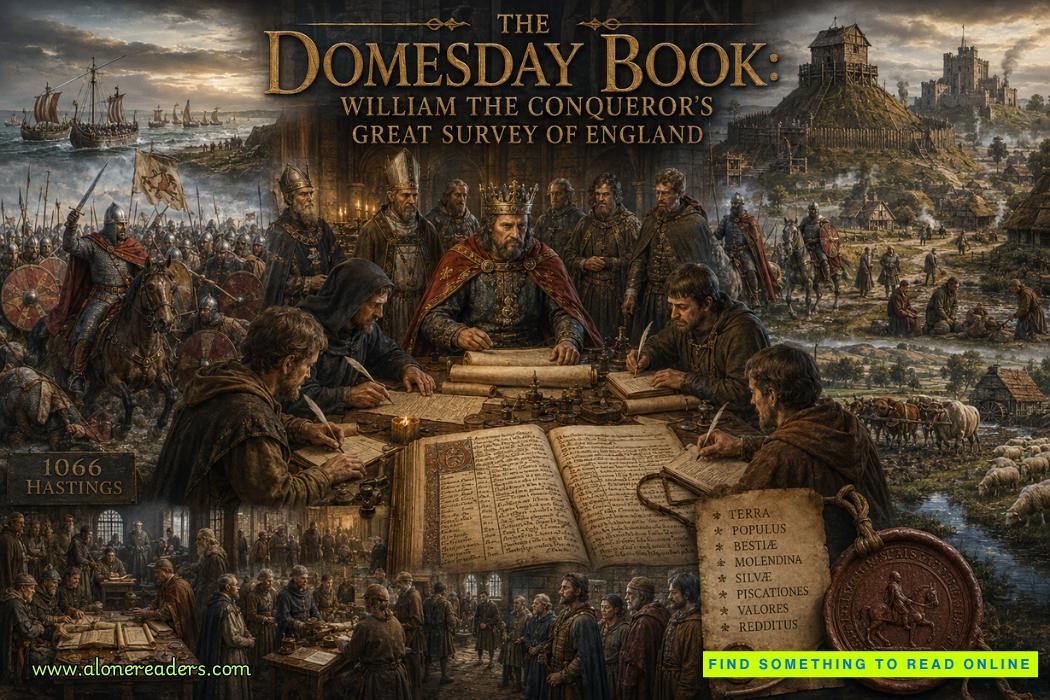
Administration reached an extraordinary culmination with the Domesday Book. In 1085, faced partly with military threats from Scandinavia and the need to understand the resources available to his kingdom, William ordered an immense survey. Commissioners gathered information concerning landholders, estates, taxable values, agricultural resources, livestock, mills, population categories, and changes in ownership.
Completed largely in 1086, Domesday reveals both continuity and revolution. The landscape remained overwhelmingly agricultural, and many local communities retained older structures. Yet the ownership of that landscape had changed profoundly. The survey enabled the crown to identify who held what, what obligations might be extracted, and how much estates were worth. It represented Norman kingship operating through inherited English traditions of record keeping and taxation with formidable intensity.
For ordinary people, the consequences varied considerably. Most peasants did not wake after Hastings to find themselves living under an entirely unfamiliar economic system. Agricultural rhythms, family life, village obligations, and customary practices continued. Yet the identity of landlords changed, castles appeared nearby, ecclesiastical institutions were reorganized, and demands for rents, labour, taxation, and military resources could become heavier or more systematically enforced.
Urban culture changed as well. Norman settlers established communities in English towns, while continental merchants strengthened cross-Channel economic connections. England became politically tied more closely to Normandy and, eventually, to wider territories in France. English kings were thereafter deeply entangled in continental politics, a geopolitical orientation that would influence English history for centuries.
The transformation of elite culture was particularly striking. Norman aristocrats brought different naming traditions, patterns of patronage, architectural tastes, literary forms, and concepts of chivalric status. Anglo-Saxon aristocratic names such as Æthelred, Ælfgar, Godwine, and Leofwine became far less common among elites, while names such as William, Henry, Robert, Richard, Geoffrey, Matilda, and Alice spread widely.
Even perceptions of the past changed. Norman chroniclers sought to explain and justify conquest, while English traditions preserved memories of dispossession and defeated rulers. The extraordinary Bayeux Tapestry, probably produced within a generation of Hastings, remains one of the richest visual documents of the period. It depicts ships, horses, weapons, feasting, diplomacy, oath-taking, warfare, and Harold's death while constructing a narrative broadly favourable to William's claim. Yet its imagery contains ambiguities that continue to generate debate.
William himself remains difficult to reduce to either conqueror or state-builder. He demonstrated exceptional determination, logistical ability, political patience, and ruthlessness. His Channel crossing required the assembly and supply of men, horses, ships, armour, weapons, and provisions on a remarkable scale. After Hastings, he combined military coercion with institutional continuity. His severity during rebellions was characteristic of a ruler determined to make resistance prohibitively expensive, but his preservation of English governmental machinery shows considerable political pragmatism.
Harold Godwinson, meanwhile, cannot be understood simply as the defeated obstacle to Norman destiny. He was an experienced aristocrat and military commander confronting perhaps the most dangerous succession crisis England had faced for generations. His victory at Stamford Bridge demonstrated operational speed and leadership. Whether his decision to confront William relatively quickly after returning south was reckless remains debated. Some historians argue that delaying might have allowed him to gather more forces; others emphasize the political dangers of permitting William to ravage Harold's own power base in southern England while establishing an increasingly secure foothold.
The Norman victory itself should therefore not be treated as inevitable. Weather, logistics, succession politics, papal support, Harold's northern campaign, the timing of William's crossing, battlefield decisions, and the deaths of key leaders all interacted. Had any combination developed differently, the history of England might have followed another course.
Yet once William secured the kingdom, the conquest generated consequences that extended far beyond the battlefield. England became more tightly integrated into the political and ecclesiastical culture of western Europe. Its aristocracy became overwhelmingly continental in origin. Castles reshaped military geography. Romanesque churches transformed skylines. Royal administration became even more formidable. Landholding and lordship were reorganized. French became the language of elite prestige while English absorbed an enormous new vocabulary.
Modern scholarship has consequently moved away from interpreting 1066 as either a total rupture or an almost superficial dynastic change. Both positions miss the central paradox. Norman England was transformed precisely because the conquerors simultaneously destroyed parts of the existing social order and preserved other parts that served their purposes. The Anglo-Saxon aristocracy could be displaced while Anglo-Saxon administrative structures survived. French-speaking lords could dominate society without eliminating English. Norman castles could symbolize foreign occupation while English shire government continued beneath them.
The conquest's memory has proved almost as influential as the conquest itself. Medieval chronicles presented competing accounts of legitimacy, divine judgement, betrayal, kingship, and conquest. The Bayeux Tapestry turned the campaign into an extraordinary visual narrative. Archaeological investigation of castles, settlements, churches, burials, landscapes, and material culture has complicated older literary accounts. Museums and heritage sites continue to reinterpret Hastings for new generations, while novels, films, documentaries, games, and popular histories repeatedly return to William and Harold.
Its place in English national identity remains equally complex. Hastings can be remembered as catastrophe, foundation, foreign invasion, political revolution, or cultural fusion depending on the question being asked. Historians continue debating the severity of Norman oppression, the pace of economic transformation, the usefulness of the term feudalism, the extent of institutional continuity, and precisely when linguistic and cultural assimilation became decisive.
What cannot reasonably be disputed is the scale of the transformation. The Battle of Hastings determined who would wear the crown, but the Norman Conquest changed what possessing that crown meant. William inherited a powerful Anglo-Saxon kingdom and reconstructed its ruling class without dismantling the administrative foundations that made England governable.
Over the generations that followed, conquerors and conquered ceased to remain neatly separable communities. Their institutions, languages, customs, religious traditions, and political interests became intertwined. English survived, but it became a different language. English law survived, but it developed within a transformed structure of lordship and royal government. English culture survived, but absorbed continental architecture, aristocratic customs, religious reforms, vocabulary, and political connections.
That is the deeper significance of 1066. The Normans did not simply replace Anglo-Saxon England with Normandy transplanted across the Channel. They imposed themselves upon an existing kingdom, exploited its strengths, overturned its elite, and unintentionally helped create something neither side could have fully anticipated. Hastings was fought in a single day; the England created by its consequences took centuries to emerge.


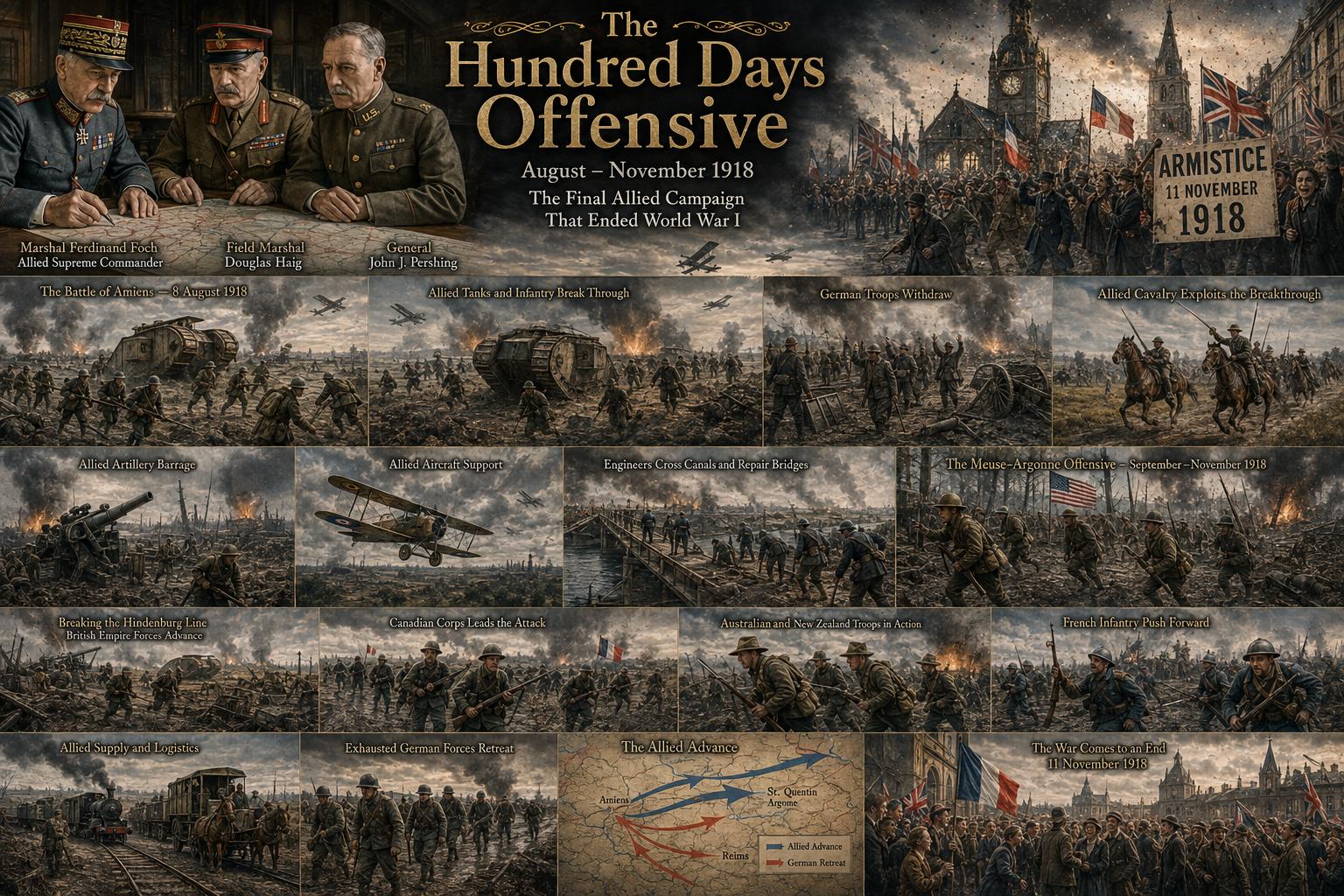 The Hundred Days Offensive: How the Allies Defeated Germany in World War I
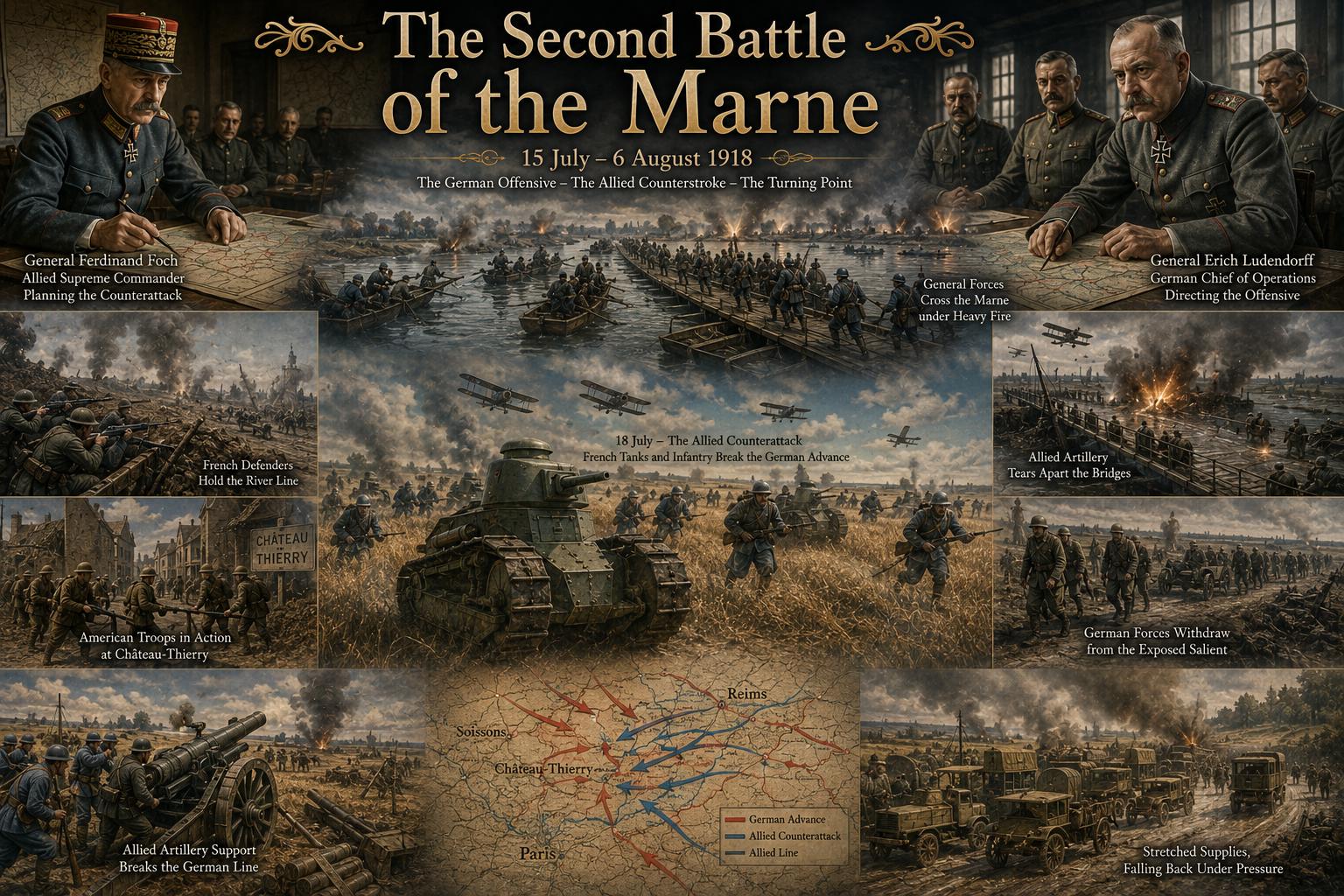 The Second Battle of the Marne: The Turning Point of World War I in 1918
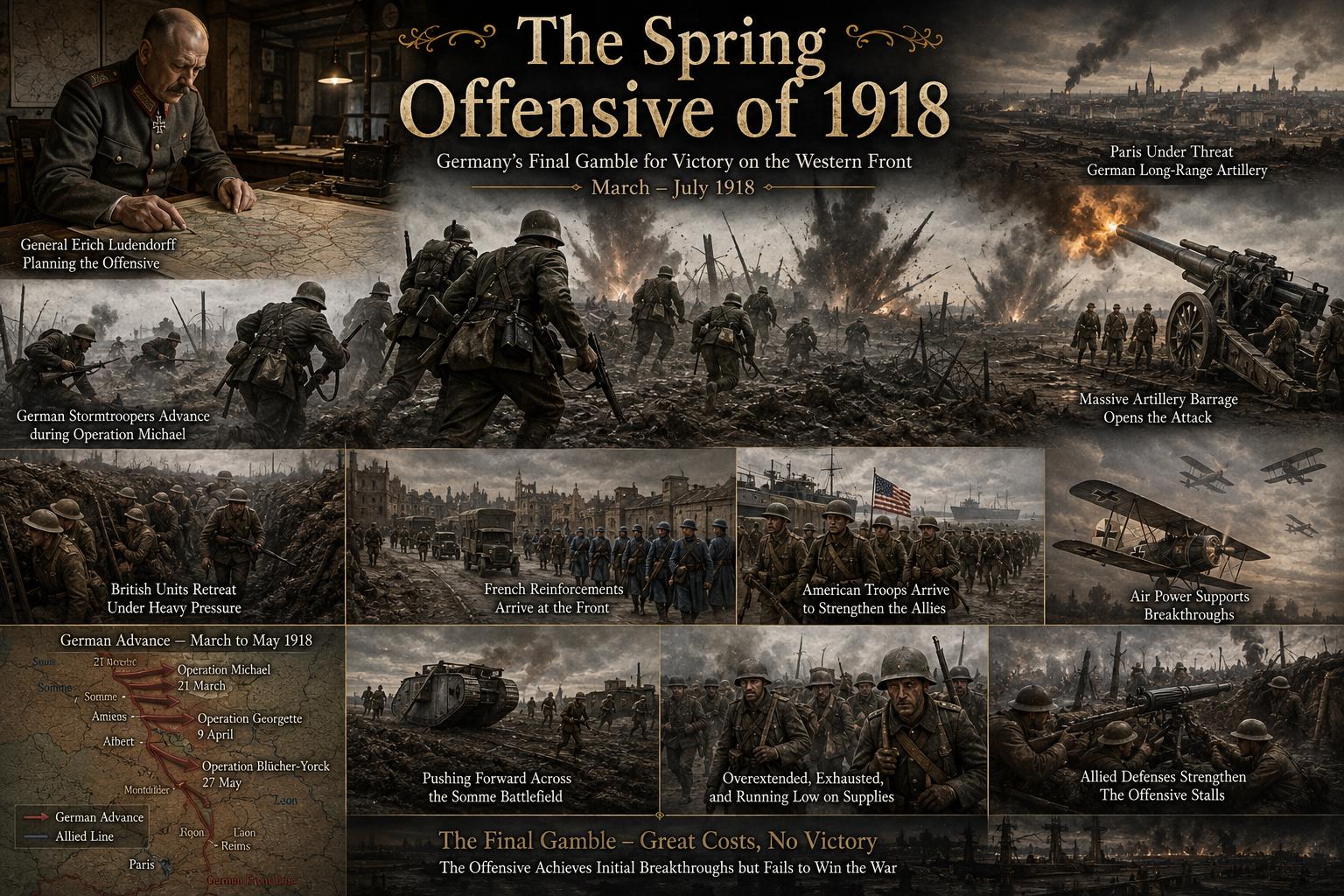 The Spring Offensive of 1918: Germany's Final Gamble to Win World War I
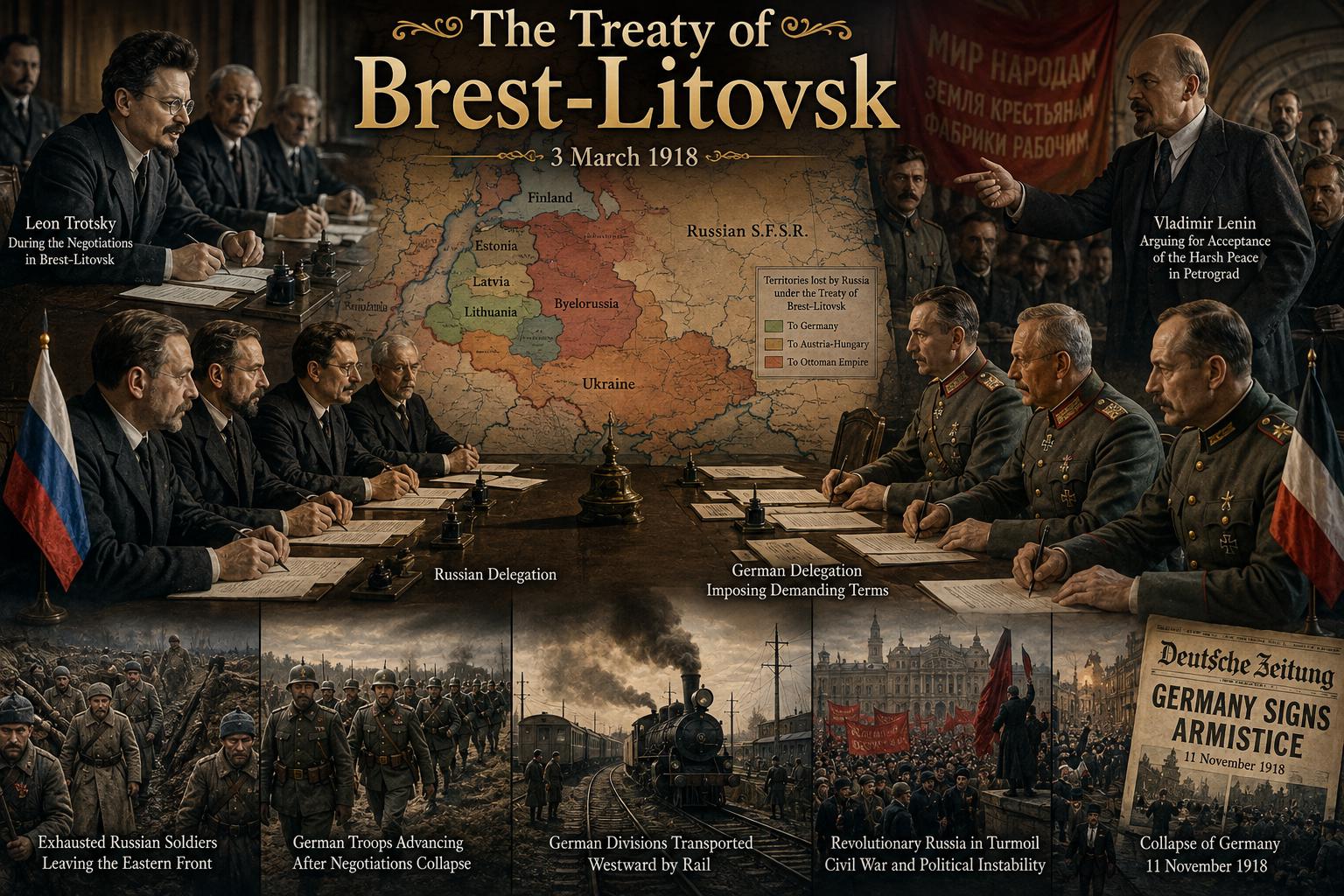 The Treaty of Brest-Litovsk: How Russia Left World War I
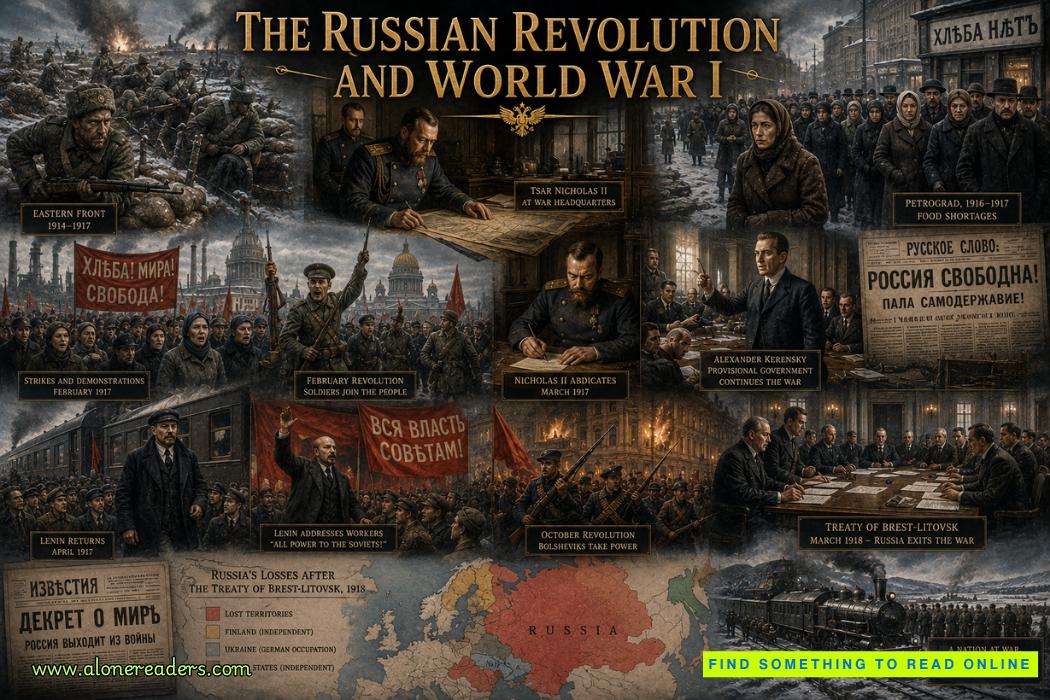 The Russian Revolution and World War I: How War Brought Down the Tsar
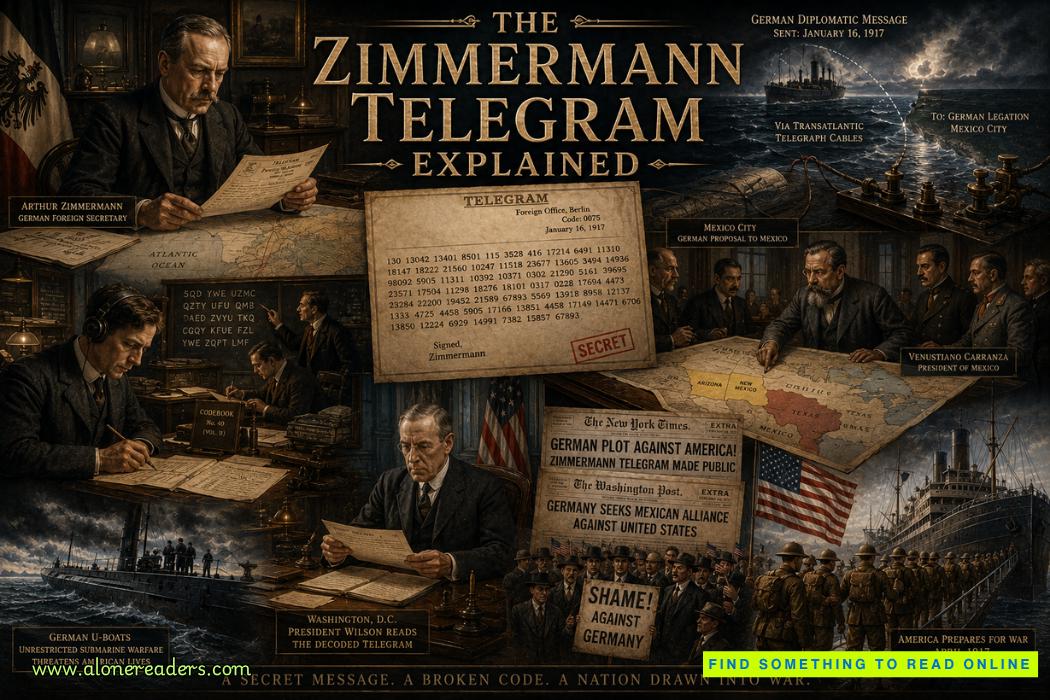 The Zimmermann Telegram Explained: Germany's Secret Offer to Mexico in World War I