More About This Card
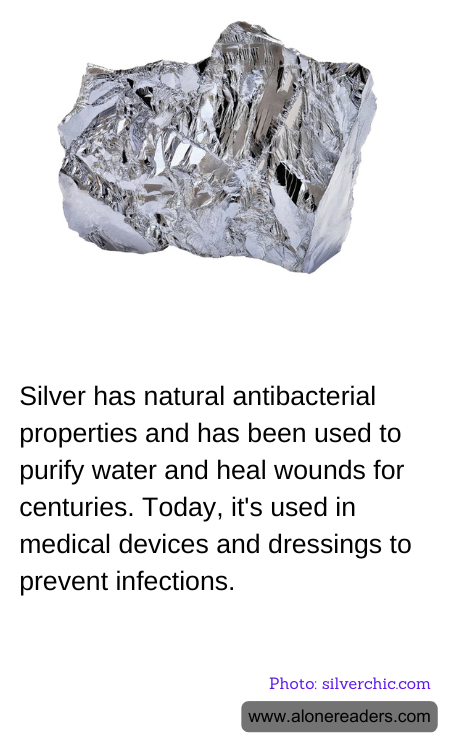
For centuries, silver has been revered not just for its lustrous beauty but also for its remarkable antibacterial properties. This precious metal has played a pivotal role in human health and hygiene, dating back to ancient civilizations. Historical records suggest that silver vessels were used by the Greeks and Romans to store water and other liquids, a practice that helped prevent spoilage and contamination. The antimicrobial properties of silver were harnessed long before the advent of modern medicine, with silver coins being dropped into milk to keep it fresh and silver leaf applied to wounds to promote healing.
The secret behind silver's antibacterial prowess lies in its ability to release silver ions, which are highly reactive and can disrupt the cellular processes of bacteria. These ions interfere with the bacteria's cell membranes, DNA, and proteins, effectively neutralizing them. This natural mechanism makes silver an invaluable ally in the fight against infections, especially at a time when antibiotic resistance is a growing concern.
In contemporary medicine, silver's role has evolved and expanded. It is now a key component in a variety of medical devices and dressings designed to prevent infections. Silver-impregnated wound dressings, for instance, are widely used in hospitals to treat burns, ulcers, and surgical wounds. These dressings not only provide a barrier against bacteria but also create a moist environment that promotes faster healing. The use of silver in catheters, stents, and other medical implants further underscores its importance in reducing the risk of infection and improving patient outcomes.
Beyond the hospital setting, silver's antibacterial properties are being harnessed in everyday products, from water purification systems to antimicrobial coatings on household items. Silver nanoparticles are increasingly used in textiles, such as socks and athletic wear, to prevent odor-causing bacteria. In water purification, silver is often combined with other filtration technologies to ensure safe drinking water, particularly in areas where access to clean water is limited.
The resurgence of interest in silver's antibacterial properties is a testament to its enduring value in both historical and modern contexts. As researchers continue to explore new applications for silver, its role in promoting health and preventing disease is likely to expand even further. Whether in ancient times or the present day, silver remains a shining example of nature's ability to provide solutions to some of humanity's most pressing challenges.