More About This Card
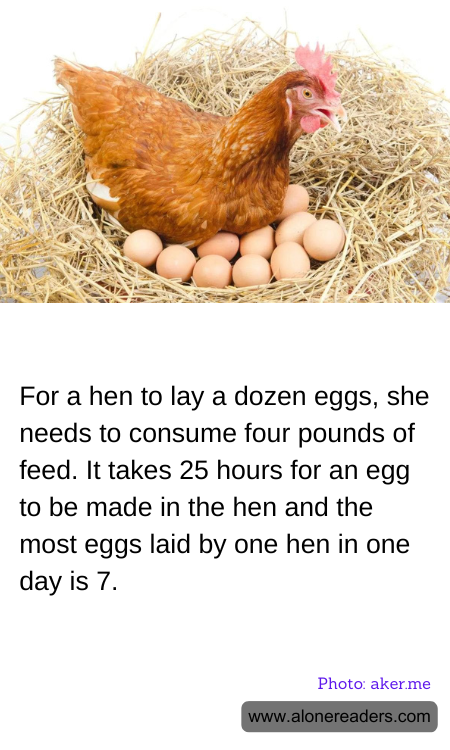
The process of egg production in hens is a fascinating blend of biology and nutrition, intricately linked to the hen's diet and natural rhythms. For a hen to lay a dozen eggs, she needs to consume approximately four pounds of feed. This dietary requirement underscores the importance of proper nutrition in poultry farming, as the quality and quantity of feed directly influence the hen's ability to produce eggs efficiently.
Egg formation is a complex process that takes about 25 hours from start to finish. This timeline begins with the release of a yolk from the hen's ovary, which then travels through the oviduct. Along the way, layers of egg white, membranes, and the shell are added. The entire process is a marvel of nature, ensuring that each egg is formed with precision and care. Given this 25-hour cycle, it is clear that a hen cannot lay more than one egg per day under normal circumstances.
However, there have been extraordinary instances where hens have laid more than one egg in a single day. The record for the most eggs laid by one hen in a day is seven, a remarkable feat that highlights the variability and potential of egg production in hens. Such occurrences are rare and often result from unique physiological conditions or genetic factors that allow the hen to produce eggs at an accelerated rate.
The nutritional needs of hens are critical not only for egg production but also for their overall health and well-being. A balanced diet rich in proteins, vitamins, and minerals is essential to support the energy-intensive process of egg formation. Farmers and poultry keepers must ensure that hens have access to high-quality feed to maintain consistent egg production and to meet the demands of their biological cycles.
Understanding the intricacies of egg production can help both commercial and backyard poultry enthusiasts optimize their practices. By providing hens with the necessary nutrition and a conducive environment, they can maximize egg yield while ensuring the health and happiness of their flock. This knowledge also fosters a greater appreciation for the humble egg, a staple in many diets worldwide, and the remarkable creatures that produce them.
In conclusion, the journey of an egg from conception to laying is a testament to the wonders of nature and the importance of proper care and feeding in poultry farming. Whether for commercial purposes or personal enjoyment, understanding the needs and capabilities of hens can lead to more sustainable and productive egg production practices.