More About This Card
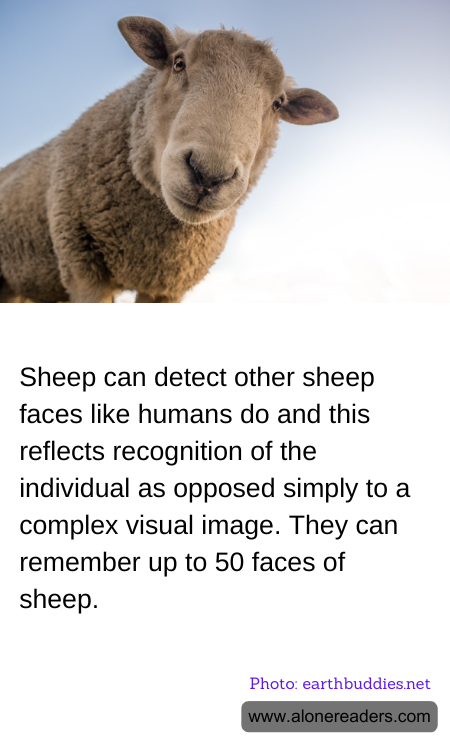
In the rolling hills and verdant pastures where sheep graze, a fascinating aspect of their social behavior often goes unnoticed. These seemingly simple creatures possess a remarkable cognitive ability that parallels human facial recognition. Recent studies have illuminated that sheep can distinguish and remember the faces of their fellow flock members, recognizing up to 50 different sheep faces. This ability is not merely a response to complex visual stimuli but rather a sophisticated form of individual recognition.
Sheep, like humans, are social animals that thrive in groups. Their ability to recognize individual faces plays a crucial role in maintaining the social structure of their flocks. This skill allows them to identify and remember their companions, facilitating social interactions and cohesion within the group. The recognition process in sheep involves the same neural mechanisms that humans use, highlighting an intriguing parallel between the two species. This capability suggests that sheep have a more complex social intelligence than previously understood.
The process of facial recognition in sheep is not just about identifying a familiar pattern; it involves the memory of specific individuals. This ability to remember and differentiate between numerous faces over time is a testament to their advanced cognitive functions. Studies have shown that sheep can recall faces for up to two years, indicating a long-term memory capacity that supports their social interactions. This memory retention is crucial for sheep, as it helps them navigate their social environment, recognize allies, and avoid potential threats.
Understanding sheep's facial recognition abilities also sheds light on their emotional and psychological well-being. Recognizing familiar faces can reduce stress and anxiety, as sheep are more comfortable and secure in the presence of known individuals. This aspect of their behavior underscores the importance of social bonds and the need for stable group dynamics in their natural habitat. It also suggests that sheep, like humans, experience a range of emotions influenced by their social environment.
The implications of these findings extend beyond the realm of animal behavior. They challenge us to reconsider our perceptions of animal intelligence and social complexity. Recognizing that sheep have such advanced cognitive abilities encourages a deeper appreciation for their social lives and the intricate dynamics within their communities. It also prompts further research into the cognitive capabilities of other animals, potentially revealing even more about the rich tapestry of life on Earth.
In conclusion, the ability of sheep to recognize and remember individual faces is a remarkable demonstration of their cognitive sophistication. This skill not only facilitates their social interactions but also enhances their emotional well-being. As we continue to explore the depths of animal intelligence, the humble sheep stands as a testament to the complexity and wonder of the natural world.