More About This Card
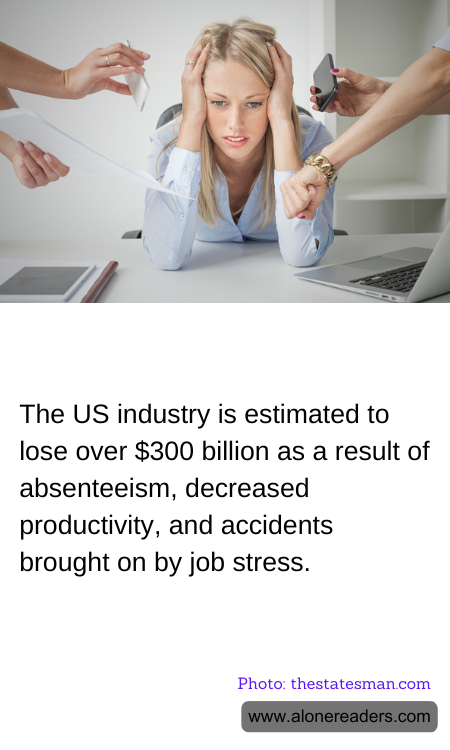
In today's fast-paced work environment, job stress has emerged as a significant concern, with far-reaching implications for both employees and employers. The financial toll of job-related stress is staggering, with estimates suggesting that the U.S. industry loses over $300 billion annually due to absenteeism, decreased productivity, and accidents. This figure underscores the urgent need for businesses to address the root causes of stress in the workplace and implement effective strategies to mitigate its impact.
Absenteeism is one of the most visible consequences of job stress. When employees are overwhelmed by stress, they are more likely to take time off work, either to recover from stress-related illnesses or to avoid stressful situations. This not only disrupts workflow but also places additional burdens on other team members, potentially leading to a cycle of increased stress and absenteeism. Moreover, frequent absenteeism can erode team morale and lead to a decline in overall productivity, further exacerbating the financial losses for companies.
Decreased productivity is another critical issue linked to job stress. Stressed employees often struggle to concentrate, make decisions, and maintain the level of creativity and innovation required in today's competitive market. This can result in missed deadlines, errors, and a general decline in the quality of work. Over time, the cumulative effect of reduced productivity can significantly impact a company's bottom line, making it imperative for organizations to foster a supportive work environment that promotes mental well-being.
Accidents in the workplace are also a concerning byproduct of job stress. Stress can impair an individual's ability to focus and react quickly, increasing the likelihood of accidents and injuries. This not only poses a risk to the safety of employees but also leads to increased costs related to workers' compensation, insurance premiums, and potential legal liabilities. By addressing stress, companies can create safer work environments and reduce the incidence of costly accidents.
To combat the detrimental effects of job stress, businesses must prioritize employee well-being. This can be achieved through various initiatives, such as offering stress management programs, promoting work-life balance, and creating a culture of open communication where employees feel comfortable discussing their stressors. Additionally, providing access to mental health resources and encouraging regular breaks can help employees manage stress more effectively.
In conclusion, the financial impact of job stress on U.S. industry is a pressing issue that cannot be ignored. By investing in strategies to reduce stress and support employee well-being, companies can not only improve their bottom line but also create a more positive and productive work environment. As the conversation around mental health continues to evolve, it is crucial for businesses to recognize the importance of addressing job stress and take proactive steps to safeguard the health and productivity of their workforce.