More About This Card
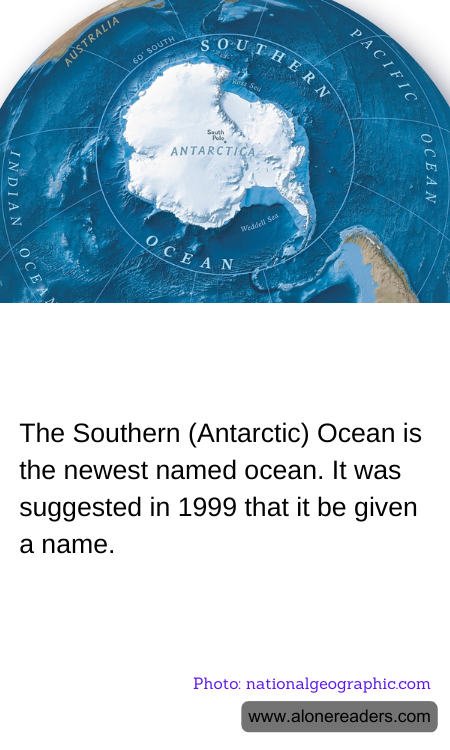
The Southern Ocean, also known as the Antarctic Ocean, is the newest named ocean, officially recognized by the International Hydrographic Organization (IHO) in 2000. This vast body of water encircles Antarctica and is distinguished by its unique ecological and oceanographic characteristics. The proposal to designate this ocean as a distinct entity was first suggested in 1999, acknowledging its critical role in Earth's climate system and its distinct environmental features.
The Southern Ocean is defined by the Antarctic Convergence, a natural boundary where cold, northward-flowing Antarctic waters meet the relatively warmer waters of the sub-Antarctic. This convergence creates a unique and dynamic environment that supports a diverse range of marine life, including krill, penguins, seals, and whales. The ocean's cold waters are also crucial in regulating the global climate, as they play a significant role in the global circulation of ocean currents, which helps distribute heat and nutrients around the planet.
One of the most remarkable aspects of the Southern Ocean is its pristine condition. Due to its remote location and harsh climate, it remains one of the least disturbed marine environments on Earth. This isolation has allowed scientists to study its ecosystems and gain insights into the impacts of climate change. The Southern Ocean absorbs a significant amount of carbon dioxide from the atmosphere, acting as a vital carbon sink that helps mitigate the effects of global warming. However, this also makes it vulnerable to changes in temperature and acidity, which can have profound effects on its delicate ecosystems.
The recognition of the Southern Ocean as a distinct ocean underscores the importance of protecting this unique environment. International efforts are underway to preserve its biodiversity and ensure sustainable management of its resources. The Southern Ocean is home to several marine protected areas, which aim to safeguard its rich biodiversity and maintain the health of its ecosystems. These efforts are crucial in the face of increasing threats from climate change, overfishing, and pollution.
In conclusion, the Southern Ocean's designation as the newest named ocean highlights its significance in the global ecosystem. Its unique characteristics and critical role in regulating the Earth's climate make it an area of great scientific interest and environmental importance. As we continue to study and understand this remote and fascinating ocean, it is essential to prioritize its conservation to ensure that it remains a thriving and vital part of our planet's natural heritage.