More About This Card
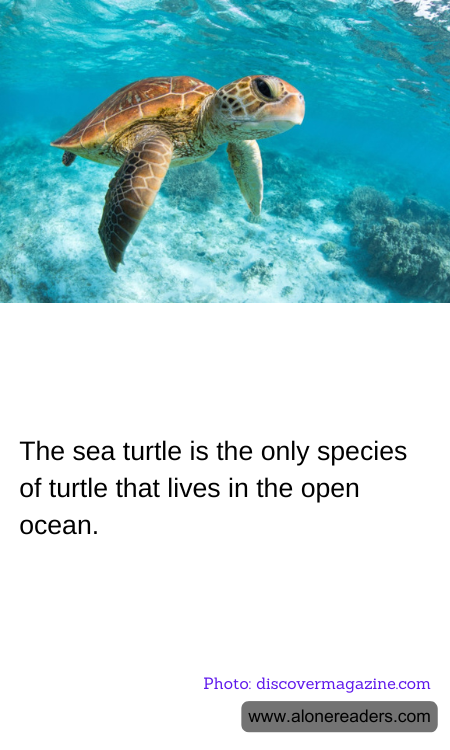
Sea turtles are fascinating creatures that have captured the imagination of people around the world. Unlike their terrestrial and freshwater relatives, sea turtles are uniquely adapted to life in the open ocean. These majestic reptiles are the only species of turtles that spend the majority of their lives navigating the vast and mysterious marine environment.
Sea turtles are remarkable for their ability to travel long distances across the ocean. They are equipped with streamlined bodies and powerful flippers that make them efficient swimmers, capable of covering thousands of miles during their migrations. These migrations are often driven by the need to find food, mate, or lay eggs. Sea turtles have an incredible sense of direction, often returning to the same beaches where they were born to lay their own eggs, a phenomenon known as natal homing.
There are seven species of sea turtles, each with its own unique characteristics and adaptations. These include the leatherback, green, loggerhead, hawksbill, Kemp's ridley, olive ridley, and flatback turtles. The leatherback turtle, for example, is the largest of all sea turtles and can weigh up to 2,000 pounds. It is also unique in that it lacks a hard shell, instead having a leathery carapace that allows it to dive to great depths in search of jellyfish, its primary food source.
Sea turtles play a crucial role in maintaining the health of marine ecosystems. They help control jellyfish populations, contribute to the health of seagrass beds, and provide habitat for other marine organisms. Despite their importance, sea turtles face numerous threats, including habitat destruction, pollution, climate change, and illegal poaching. Many species are listed as endangered or vulnerable, making conservation efforts critical to their survival.
Efforts to protect sea turtles include international agreements, such as the Convention on International Trade in Endangered Species (CITES), as well as local conservation programs that focus on protecting nesting sites and reducing bycatch in fishing operations. Public awareness campaigns and community involvement are also vital in ensuring the future of these incredible animals.
Sea turtles are a testament to the wonders of the natural world, embodying resilience and adaptability. Their presence in the open ocean serves as a reminder of the interconnectedness of life on Earth and the importance of preserving our planet's biodiversity. By working together to protect sea turtles and their habitats, we can help ensure that future generations will continue to marvel at these ancient mariners of the sea.