More About This Card
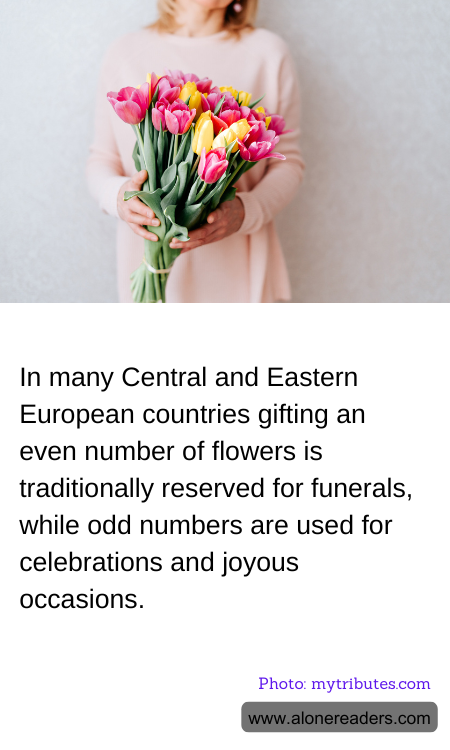
In many Central and Eastern European countries, the tradition of gifting flowers is steeped in cultural symbolism, where the number of flowers given carries significant meaning. This practice is particularly evident in the distinction between even and odd numbers of flowers, which are reserved for different occasions. Understanding this tradition is essential for anyone wishing to engage respectfully with these cultures, whether attending a celebration or paying respects at a funeral.
In these regions, gifting an even number of flowers is traditionally associated with funerals and mourning. The practice is deeply rooted in the belief that even numbers symbolize completeness and finality, making them appropriate for occasions that mark the end of life. Offering an even number of flowers at a funeral is seen as a gesture of respect and a way to honor the deceased. It is a solemn tradition that underscores the gravity of the occasion and provides a means for mourners to express their condolences and support to the bereaved family.
Conversely, odd numbers of flowers are reserved for celebrations and joyous occasions. This tradition is based on the belief that odd numbers symbolize growth, vitality, and the continuation of life. Whether it is a birthday, wedding, or any other festive event, presenting an odd number of flowers is a way to convey good wishes and happiness. The odd number is thought to bring luck and prosperity, making it a fitting choice for occasions that celebrate life and new beginnings.
The cultural significance of flower numbers in Central and Eastern Europe highlights the importance of understanding local customs and traditions. For visitors and expatriates, it is crucial to be aware of these nuances to avoid unintentional faux pas. Presenting the wrong number of flowers could inadvertently convey the wrong message, potentially causing discomfort or misunderstanding. Therefore, when attending events in these regions, it is advisable to consult with locals or do some research to ensure that the gesture of gifting flowers is appropriate and well-received.
This tradition also reflects the broader cultural values of these societies, where symbolism and meaning are often embedded in everyday practices. Flowers, with their natural beauty and transient nature, serve as a powerful medium for expressing emotions and sentiments. The careful consideration of the number of flowers given is a testament to the importance placed on meaningful gestures and the desire to communicate respect and affection in a culturally resonant way.
In conclusion, the tradition of gifting flowers in Central and Eastern Europe is a fascinating example of how cultural practices can imbue simple acts with profound significance. By understanding the distinction between even and odd numbers of flowers, individuals can engage more thoughtfully with these cultures, ensuring that their gestures of kindness and respect are both appropriate and appreciated. Whether marking a celebration or offering condolences, the number of flowers chosen serves as a silent yet eloquent expression of one's sentiments.