More About This Card
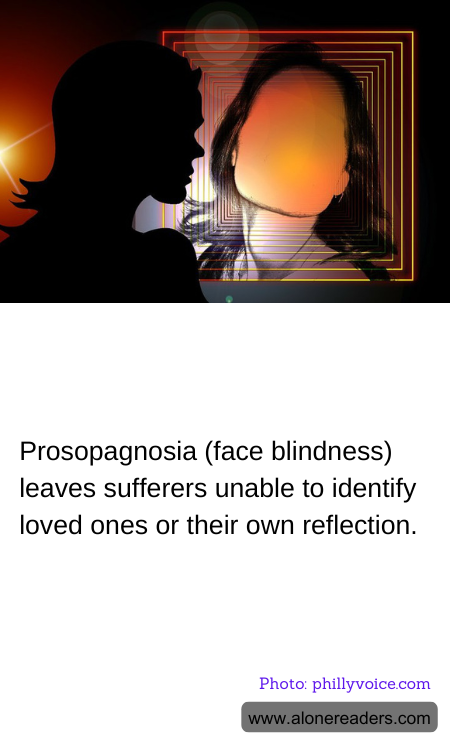
Prosopagnosia, commonly known as face blindness, is a neurological condition that affects an individual's ability to recognize faces. This disorder can range from mild to severe and impacts approximately 2% of the population. For those living with prosopagnosia, recognizing familiar faces, including those of loved ones, can be an insurmountable challenge. In some cases, individuals may even struggle to identify their own reflection in a mirror.
The condition is often congenital, meaning it is present from birth, though it can also result from brain injury or neurological illness. The specific cause of congenital prosopagnosia is not fully understood, but it is believed to be linked to abnormalities in the brain's fusiform gyrus, a region associated with facial recognition. Despite its prevalence, prosopagnosia remains relatively unknown to the general public, leading to misunderstandings and social difficulties for those affected.
For individuals with prosopagnosia, everyday interactions can be fraught with anxiety and confusion. The inability to recognize faces can make social situations challenging, as sufferers may fail to identify friends, family members, or colleagues. This can lead to awkward encounters and strained relationships, as others may misinterpret the lack of recognition as disinterest or aloofness. In severe cases, individuals may even struggle to recognize their own face in photographs or mirrors, further complicating their sense of self and identity.
To cope with these challenges, many people with prosopagnosia develop compensatory strategies. They may rely on alternative cues such as voice, clothing, hairstyle, or distinctive features to identify others. Some individuals become adept at recognizing people by their gait or body language. Despite these strategies, the condition can still lead to significant social and emotional difficulties, impacting self-esteem and mental health.
Awareness and understanding of prosopagnosia are crucial for fostering empathy and support for those affected. Educating the public about the condition can help reduce stigma and promote more inclusive social environments. For those with prosopagnosia, seeking support from mental health professionals or joining support groups can provide valuable resources and coping mechanisms.
Research into prosopagnosia continues, with scientists exploring the underlying neurological mechanisms and potential interventions. While there is currently no cure, advancements in understanding the condition may lead to more effective treatments and support systems in the future. In the meantime, raising awareness and promoting acceptance can help alleviate some of the social challenges faced by individuals with face blindness, allowing them to navigate the world with greater confidence and ease.