More About This Card
The 2004 Indian Ocean earthquake, often referred to as the Boxing Day Tsunami, stands as one of the most catastrophic natural disasters in recorded history. Striking on December 26, 2004, this undersea megathrust earthquake had a magnitude of 9.1 to 9.3, making it the third-largest earthquake ever recorded. Its epicenter was located off the west coast of northern Sumatra, Indonesia, and it unleashed a series of devastating tsunamis that affected 14 countries, leaving an indelible mark on the world.
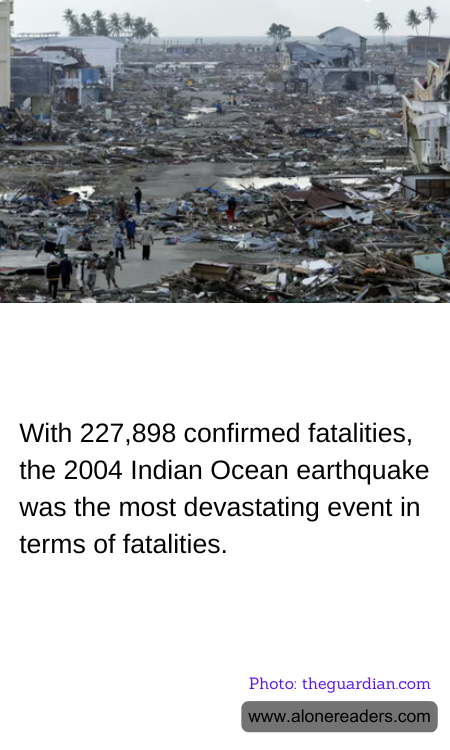
The scale of the disaster was unprecedented, with 227,898 confirmed fatalities, making it the deadliest tsunami in history. The immense loss of life was compounded by the widespread destruction of infrastructure and homes, displacing millions of people. The countries hardest hit included Indonesia, Sri Lanka, India, and Thailand, but the impact was felt as far away as the eastern coast of Africa. The sheer force of the waves, some reaching heights of up to 30 meters, obliterated entire communities, leaving behind a trail of devastation and despair.
In the aftermath of the disaster, the international community rallied to provide aid and support to the affected regions. Humanitarian efforts were launched on an unprecedented scale, with countries, organizations, and individuals contributing billions of dollars in aid. The disaster highlighted the need for better early warning systems and disaster preparedness, leading to significant advancements in tsunami detection and response strategies in the years that followed.
The 2004 Indian Ocean earthquake and tsunami also served as a poignant reminder of the power of nature and the vulnerability of human societies. It underscored the importance of global cooperation in addressing natural disasters and the need for resilient infrastructure and communities. The lessons learned from this tragedy have informed disaster management practices worldwide, emphasizing the importance of preparedness, education, and community engagement in mitigating the impact of such events.
While the scars of the 2004 disaster remain, the resilience and solidarity shown by the affected communities and the global response have been a testament to the human spirit. The rebuilding efforts have been long and arduous, but they have also brought about positive changes, including improved infrastructure, better communication systems, and heightened awareness of the risks posed by natural disasters. As we remember the lives lost and the communities forever changed, the legacy of the 2004 Indian Ocean earthquake serves as a powerful reminder of the need for vigilance, preparedness, and compassion in the face of nature's unpredictability.