More About This Card
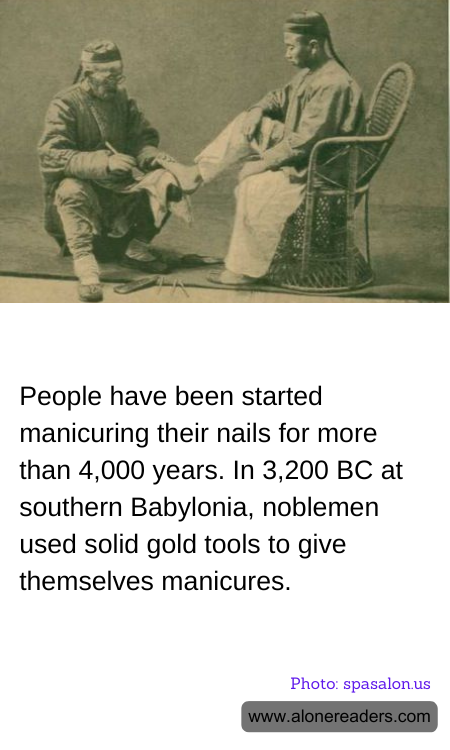
The art of nail care and decoration is a practice steeped in history, with roots that trace back over 4,000 years. This ancient tradition, which has evolved into the modern manicure, was once a symbol of status and sophistication. In 3,200 BC, noblemen in southern Babylonia were among the first to embrace this ritual, using solid gold tools to meticulously groom their nails. This early form of manicuring was not merely about aesthetics; it was a reflection of one's social standing and wealth.
In ancient Babylonia, the use of gold tools for manicuring was a privilege reserved for the elite. These tools were not only functional but also a testament to the craftsmanship and opulence of the time. The Babylonians believed that well-groomed nails were an essential aspect of personal hygiene and a mark of refinement. This belief was shared by other ancient civilizations, such as the Egyptians and the Chinese, who also developed their own nail care practices.
The Egyptians, for instance, used henna to stain their nails, a practice that signified both beauty and status. Cleopatra, the legendary queen, was known for her striking red nails, which were achieved using a mixture of henna and other natural ingredients. Similarly, in ancient China, nail color was used to denote social hierarchy. During the Zhou Dynasty, royals and the upper class wore gold and silver nail polish, while the lower classes were forbidden from adorning their nails with such colors.
As centuries passed, the tradition of nail care continued to evolve, spreading across cultures and continents. In the 19th century, the modern manicure began to take shape with the introduction of nail files and cuticle removers. By the early 20th century, the invention of liquid nail polish revolutionized the industry, making manicures more accessible to the general public. This democratization of nail care allowed people from all walks of life to express themselves through the colors and designs on their nails.
Today, manicures are a global phenomenon, with countless styles and techniques available to suit every taste. From classic French tips to intricate nail art, the possibilities are endless. The industry has also embraced innovation, with the development of gel polishes, nail extensions, and eco-friendly products. Despite these advancements, the essence of manicuring remains unchanged—a celebration of beauty, self-expression, and personal care.
The journey of nail care from ancient Babylonia to the present day is a testament to humanity's enduring desire for self-adornment and expression. While the tools and techniques have evolved, the fundamental appeal of manicured nails as a symbol of elegance and individuality remains as strong as ever. Whether through the use of gold tools in ancient times or the latest nail art trends, the tradition of manicuring continues to captivate people across the globe, transcending time and culture.