More About This Card
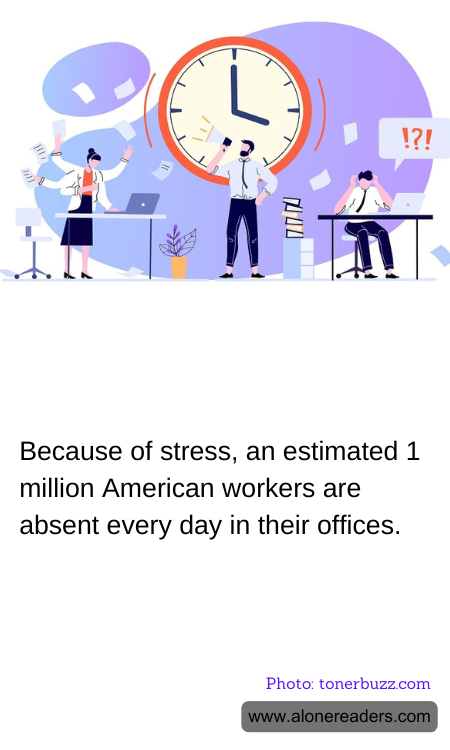
In today's fast-paced world, stress has become an almost ubiquitous part of daily life, particularly in the workplace. It is estimated that stress causes approximately 1 million American workers to be absent from their offices every day. This staggering statistic highlights the profound impact stress has on both individuals and the broader economy.
Stress in the workplace can stem from various sources, including heavy workloads, tight deadlines, and interpersonal conflicts. The pressure to perform and meet expectations can lead to chronic stress, which, if left unchecked, can result in serious health issues such as anxiety, depression, and cardiovascular problems. The consequences of stress are not limited to health alone; they also manifest in decreased productivity, increased absenteeism, and higher turnover rates, all of which can significantly affect a company's bottom line.
The financial implications of stress-related absenteeism are substantial. Employers face the direct costs of lost productivity and the indirect costs of hiring temporary replacements or redistributing workloads among remaining staff. Moreover, the healthcare costs associated with treating stress-related conditions add another layer of financial burden. It is estimated that stress costs American businesses up to $300 billion annually in lost productivity and healthcare expenses.
Addressing workplace stress requires a multifaceted approach. Employers can play a pivotal role by fostering a supportive work environment that prioritizes employee well-being. Implementing flexible work arrangements, encouraging regular breaks, and promoting open communication can help alleviate stress. Additionally, offering wellness programs that focus on stress management techniques, such as mindfulness and exercise, can empower employees to take control of their mental health.
Employees, too, can take proactive steps to manage stress. Practicing time management, setting realistic goals, and seeking support from colleagues or mental health professionals can make a significant difference. Cultivating a healthy work-life balance is crucial, as it allows individuals to recharge and maintain resilience in the face of workplace challenges.
Ultimately, reducing stress in the workplace is a shared responsibility that requires commitment from both employers and employees. By recognizing the signs of stress and taking proactive measures to address it, organizations can create a healthier, more productive work environment. As awareness of the impact of stress continues to grow, it is imperative that businesses and individuals alike prioritize mental health as a key component of overall well-being.