More About This Card
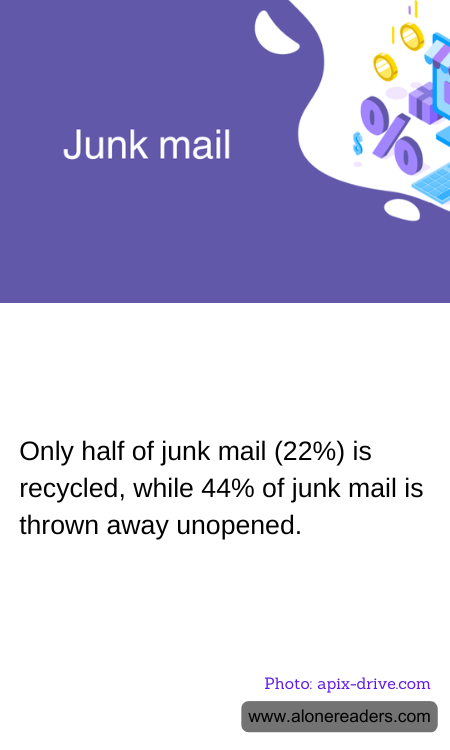
In today's fast-paced digital world, the persistence of junk mail remains a curious anomaly. Despite the rise of electronic communication, physical junk mail continues to flood mailboxes across the globe. Surprisingly, only a fraction of this unsolicited correspondence is recycled, with a mere 22% finding its way into recycling bins. Even more concerning is the fact that 44% of junk mail is discarded without even being opened, contributing significantly to environmental waste.
The environmental impact of junk mail is substantial. Each year, millions of trees are felled to produce the paper required for these unwanted mailings. The production process involves not only deforestation but also significant energy consumption and greenhouse gas emissions. When junk mail is not recycled, it often ends up in landfills, where it contributes to the growing problem of waste management and environmental degradation. The statistics reveal a pressing need for increased awareness and action regarding the disposal of junk mail.
Recycling junk mail is a simple yet effective way to mitigate its environmental impact. By ensuring that these materials are properly recycled, we can reduce the demand for virgin paper, conserve natural resources, and lower carbon emissions. Communities and individuals can play a pivotal role in this effort by adopting more sustainable practices. For instance, setting up dedicated recycling bins for paper waste and educating households about the importance of recycling can make a significant difference.
Moreover, there are steps that individuals can take to reduce the influx of junk mail in the first place. Opting out of mailing lists, using online services to manage subscriptions, and supporting policies that promote digital communication over paper can help curb the production of junk mail. Many organizations offer services to help consumers remove their names from direct mail lists, thereby reducing the volume of unsolicited mail they receive.
The issue of junk mail is not just an environmental concern but also a matter of personal responsibility. By taking proactive measures to recycle and reduce junk mail, individuals can contribute to a healthier planet. It is crucial for communities to foster a culture of sustainability, where recycling is the norm rather than the exception. As awareness grows, so too can the collective effort to address the challenges posed by junk mail.
In conclusion, while junk mail may seem like a minor inconvenience, its environmental impact is anything but trivial. With only 22% of junk mail being recycled and a significant portion discarded unopened, there is a clear opportunity for improvement. By embracing recycling and reducing the generation of junk mail, we can take meaningful steps toward a more sustainable future. It is a small change that, when multiplied across millions of households, can lead to significant environmental benefits.