More About This Card
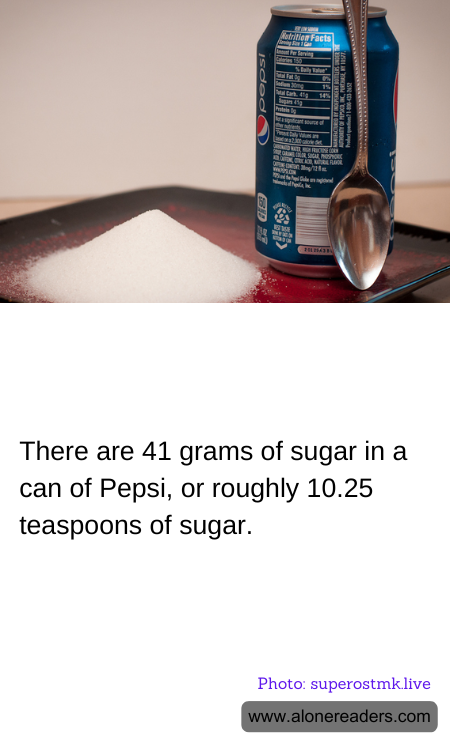
In today's fast-paced world, convenience often takes precedence over health, leading many to reach for a can of soda without a second thought. However, a closer look at the nutritional content of these popular beverages reveals a startling fact: a single can of Pepsi contains 41 grams of sugar, which equates to approximately 10.25 teaspoons. This seemingly innocuous indulgence can have significant implications for our health, especially when consumed regularly.
Sugar, while a source of quick energy, can have detrimental effects when consumed in excess. The World Health Organization recommends that adults and children reduce their daily intake of free sugars to less than 10% of their total energy intake, with a further reduction to below 5% providing additional health benefits. For an average adult, this translates to about 25 grams of sugar per day. A single can of Pepsi, therefore, exceeds this recommended limit, highlighting the potential for overconsumption when sugary drinks are a regular part of one's diet.
The high sugar content in sodas like Pepsi can contribute to a range of health issues. One of the most immediate effects is the spike in blood sugar levels, which can lead to a subsequent crash, leaving individuals feeling tired and craving more sugar. Over time, this cycle can contribute to insulin resistance, a precursor to type 2 diabetes. Furthermore, excessive sugar intake is linked to weight gain and obesity, as sugary drinks add empty calories without providing any nutritional benefits.
Beyond the immediate health concerns, the long-term effects of high sugar consumption are equally alarming. Studies have shown that diets high in sugar can increase the risk of developing heart disease, as they contribute to high blood pressure, inflammation, and increased levels of triglycerides. Additionally, sugar is known to have a negative impact on dental health, as it provides a food source for bacteria in the mouth, leading to tooth decay and cavities.
For those looking to reduce their sugar intake, there are several strategies to consider. Opting for water, herbal teas, or other low-sugar beverages can significantly decrease daily sugar consumption. Reading labels and being mindful of the sugar content in processed foods and drinks can also help individuals make healthier choices. For those who enjoy the occasional soda, choosing smaller portions or opting for sugar-free alternatives can be a step in the right direction.
In conclusion, while a can of Pepsi may seem like a simple pleasure, its high sugar content is a reminder of the importance of making informed dietary choices. By understanding the impact of sugar on our health and taking steps to reduce our intake, we can enjoy a balanced diet that supports our overall well-being. As with many things in life, moderation is key, and being mindful of our sugar consumption is an essential part of maintaining a healthy lifestyle.