More About This Card
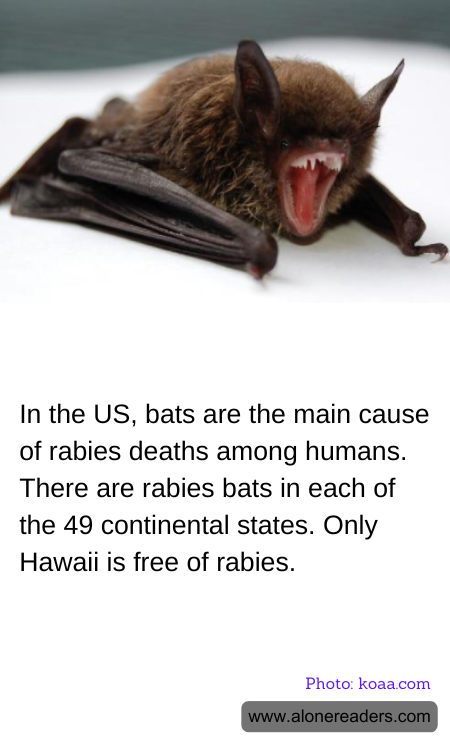
Rabies, a viral disease that affects the central nervous system, is a significant public health concern in the United States. Among the various animals that can transmit rabies, bats have emerged as the primary source of human rabies deaths in the country. This is particularly concerning given that rabies is almost always fatal once symptoms appear. Understanding the role bats play in the transmission of rabies is crucial for prevention and awareness.
Bats are found in every one of the 49 continental states, making them a widespread presence across the country. They are unique creatures that play essential roles in ecosystems, such as controlling insect populations and pollinating plants. However, they also carry the rabies virus, which can be transmitted to humans through bites or scratches. The virus is present in the saliva of infected bats, and even a minor encounter can lead to transmission.
The reason bats are the leading cause of rabies deaths among humans in the U.S. is partly due to the nature of their interactions with people. Bats are small and often go unnoticed, and their bites can be so tiny that they might not be felt or leave a visible mark. This can lead to delayed or missed medical treatment, which is critical in preventing the onset of rabies. Once symptoms develop, rabies is almost invariably fatal, making early intervention with post-exposure prophylaxis (PEP) essential.
While rabies cases in humans are rare in the U.S., with only one to three cases reported annually, the majority of these are linked to bat encounters. This highlights the importance of public education on avoiding contact with bats and seeking immediate medical attention if exposure is suspected. It's also crucial for pet owners to ensure their animals are vaccinated against rabies, as pets can serve as a bridge for the virus to humans.
Interestingly, Hawaii stands out as the only state in the U.S. that is free of rabies. This is due to its geographic isolation and strict animal importation regulations, which have successfully kept the virus at bay. Hawaii's rabies-free status underscores the effectiveness of stringent biosecurity measures in preventing the introduction and spread of infectious diseases.
In conclusion, while bats are vital to the environment, their role as carriers of rabies cannot be overlooked. Public awareness and education are key to preventing rabies deaths, emphasizing the importance of avoiding contact with bats and seeking prompt medical care if exposure occurs. By understanding the risks and taking appropriate precautions, we can coexist safely with these fascinating creatures while minimizing the threat of rabies.